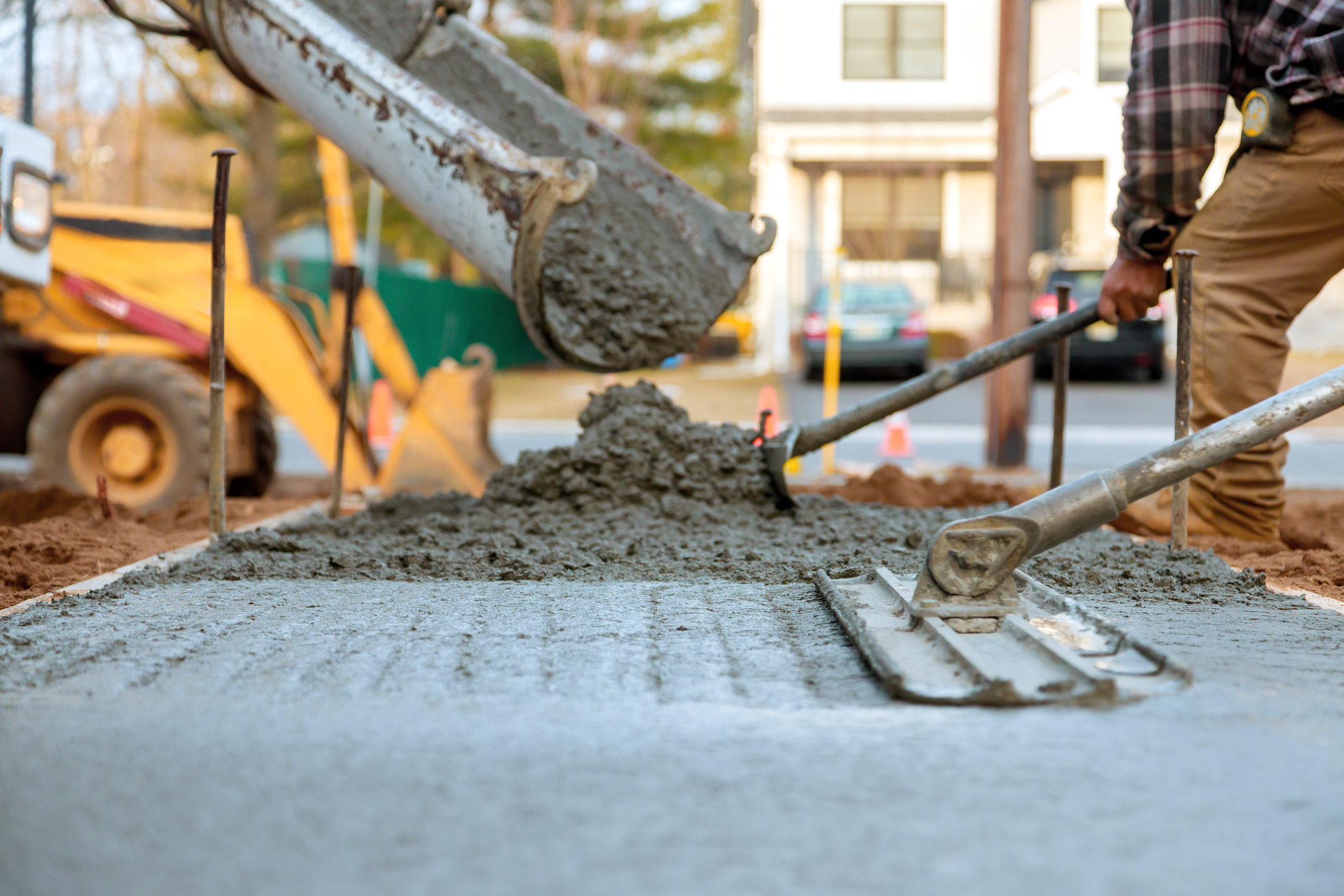
How Long Does Concrete Last? 1
Sidewalk, Parking Lot & Foundation

How Long Does Concrete Last?

Concrete can last for several decades when it is properly designed, installed, and maintained. However, its actual lifespan depends on how it is used, the conditions beneath it, and its exposure to weather, moisture, and traffic.

A commercial sidewalk, parking lot, and building foundation may all experience different types of wear. Understanding what affects concrete durability can help property owners recognize problems early and make informed decisions about maintenance or replacement.

How to Make Your

Concrete Last Longer

At Altino Concrete Construction, we understand that long-lasting concrete depends on proper installation, drainage, and maintenance. Learn more about the factors that affect concrete durability, how to prevent premature deterioration, and when repairs or replacement may be necessary.

What Factors Affect the Lifespan of Concrete?

The durability of concrete begins with its design and installation. Concrete strength, mixture proportions, reinforcement where required, joint placement, and curing methods all influence performance. The supporting soil and base materials are also important. A slab installed over poorly compacted ground may settle or crack even if the concrete itself was properly mixed. The intended use matters as well. Concrete exposed to frequent heavy vehicle traffic generally experiences different stresses than a pedestrian walkway.

How Does Weather Affect Concrete Durability?

Concrete surfaces exposed to outdoor conditions must withstand moisture and temperature changes. During colder months, water can freeze and thaw repeatedly. If moisture enters vulnerable areas, these cycles may contribute to cracking, surface scaling, and other deterioration. Deicing chemicals can also affect concrete surfaces, particularly when the concrete is relatively new or already damaged. Appropriate material specifications, proper curing, and effective drainage help reduce weather-related problems.

Why Is Drainage Important?

Water that collects on or beneath concrete can contribute to long-term damage. Poor drainage may allow moisture to weaken supporting soil, cause erosion, or create conditions that contribute to settlement. Surface slopes, curbs, flow lines, and drainage structures help move runoff away from areas where it could cause problems. For commercial properties, maintaining these systems is an important part of protecting concrete pavement and pedestrian areas.

What Maintenance Helps Concrete Last Longer?

Regular inspections can help identify cracks, settlement, drainage problems, and surface deterioration before they become more extensive. Keeping drainage structures clear and addressing standing water can reduce unnecessary moisture exposure. Property owners should also monitor joints and damaged sections, particularly in areas exposed to heavy traffic or winter conditions. The appropriate maintenance depends on the type of concrete, its condition, and how the surface is used.

When Should Concrete Be Replaced?

Age alone does not determine whether concrete needs replacement. Concrete that remains stable and functional may continue performing for many years. However, extensive cracking, significant settlement, severe surface deterioration, or damaged supporting materials may justify replacement. Before replacing concrete, the cause of the damage should be evaluated. If poor drainage or unstable soil contributed to the original problem, those conditions may need to be corrected to protect the new installation.

Invest in Long-Lasting Concrete Construction

At Altino Concrete Construction, we work on commercial foundations, slabs, sidewalks, parking lots, curbs, and other concrete improvements. Contact us to discuss your upcoming concrete project or replacement needs.

Have A Question? We Are Here To Help!

Frequently Asked Questions

At Altino Concrete Construction, we understand the importance of durable, long-lasting concrete installations. Explore our FAQs to learn more about concrete lifespan, repair options, and the factors that can contribute to premature deterioration.

Can concrete last 50 years or longer?

Yes. Some properly designed and maintained concrete structures can remain functional for 50 years or longer. Actual service life varies considerably based on the application, environment, construction quality, and maintenance.

Does cracked concrete always need to be replaced?

No. Minor, stable cracks may be repairable. Widespread damage, significant settlement, or structural concerns may require more extensive work.

What causes concrete to deteriorate prematurely?

Common contributing factors include inadequate site preparation, poor drainage, improper curing, excessive loads, freeze-thaw exposure, and unsuitable materials for the intended conditions.