

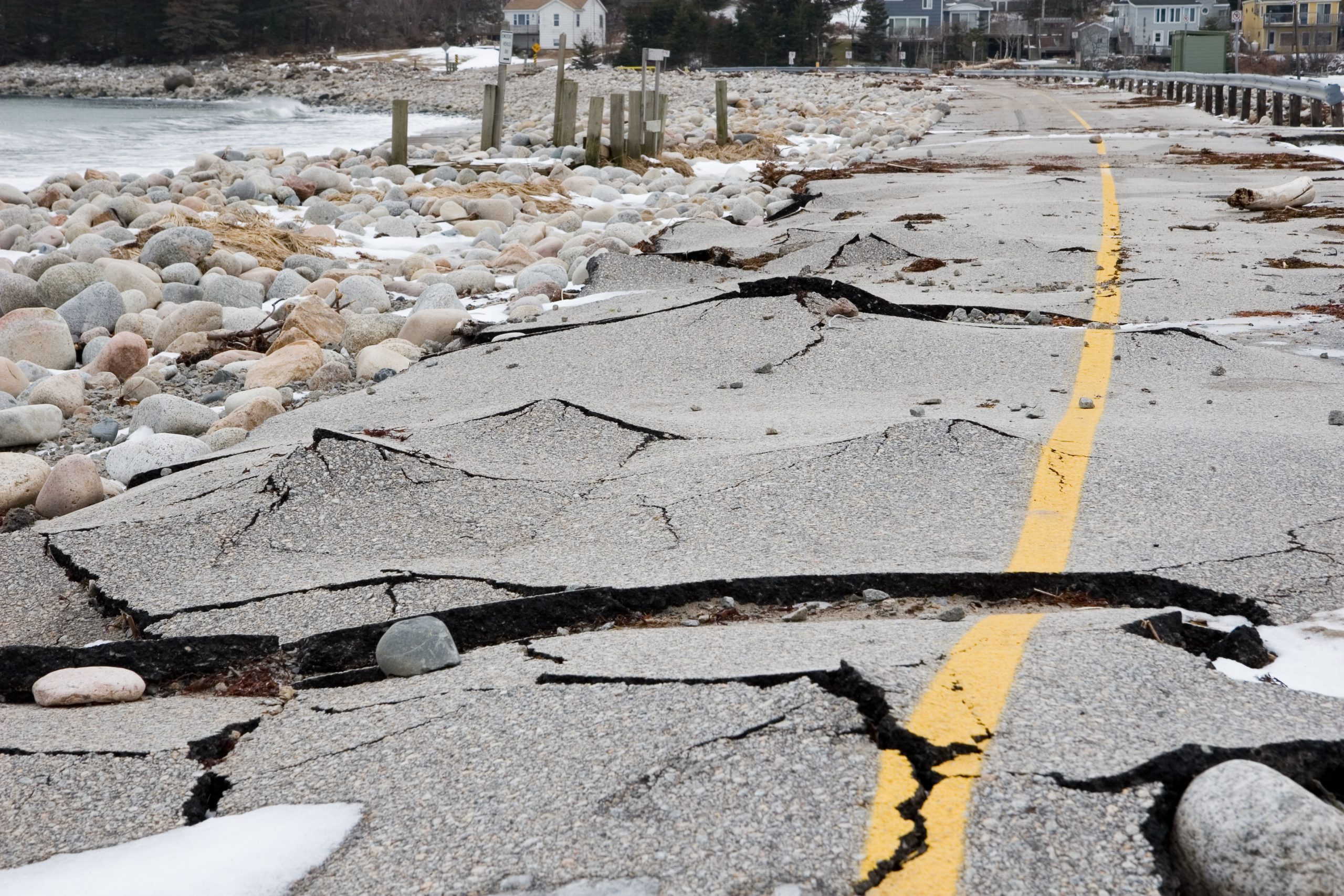
What Causes Concrete to Crack?
Concrete can crack because of shrinkage, temperature changes, soil movement, excessive loads, or inadequate support beneath the surface. Some cracking is a normal part of concrete’s behavior, while other cracks may indicate problems that require attention.
Understanding the cause is important before deciding whether concrete should be repaired or replaced. A small surface crack does not necessarily mean the concrete has failed, but widening cracks, uneven sections, or recurring movement may indicate a more serious issue.
- TL;DR
- Shrinkage, temperature changes, and ground movement are common causes of cracking.
- Proper site preparation, joint placement, and curing help control cracking.
- Cracks accompanied by settlement, displacement, or drainage problems deserve closer evaluation.
Concrete Common Causes
At Altino Concrete Construction, we understand that concrete cracking can result from soil conditions, weather, and the curing process. Learn more about the causes of concrete damage, the importance of proper installation, and when repairs or replacement may be necessary to maintain safe, durable surfaces.
Why Does Concrete Crack as It Cures?
How Do Soil Conditions Affect Concrete?
Can Weather Cause Concrete Damage?
When Should Cracked Concrete Be Repaired or Replaced?
Address Concrete Problems Before They Worsen
Altino Concrete Construction works on commercial sidewalks, slabs, parking areas, foundations, and other concrete improvements. Contact us to discuss your property’s concrete conditions and upcoming construction needs.
Frequently Asked Questions
At Altino Concrete Construction, we understand that concrete cracking can raise concerns about durability and structural integrity. Explore our FAQs to learn more about common causes of cracking, repair options, and how proper reinforcement helps support long-lasting concrete installations.
Yes. Some cracking can occur as concrete shrinks and responds to temperature changes. Proper installation helps control cracking, but it cannot guarantee a completely crack-free surface.
Sometimes. The appropriate repair depends on the severity of the damage, whether the crack is stable, and the condition of the supporting soil.
Reinforcement generally helps control crack widths and maintain structural performance where specified. It does not eliminate all cracking.
